Panama offers geology and Earth science faculty a rare advantage for field-based study abroad programs: within a compact, accessible country, students can study one of the most consequential geological events of the Cenozoic era—the formation of the Isthmus of Panama—and trace its impacts across climate, ocean circulation, and human history. Faculty-led geology study abroad programs based at Istmo Retreat access volcanic calderas, tectonic coastlines, the Continental Divide, and the engineering geology of the Panama Canal—all within 1-3 hours of a stable, all-inclusive home base. We handle logistics so you can focus on teaching.
Panama’s Geological Significance for Earth Science Field Programs
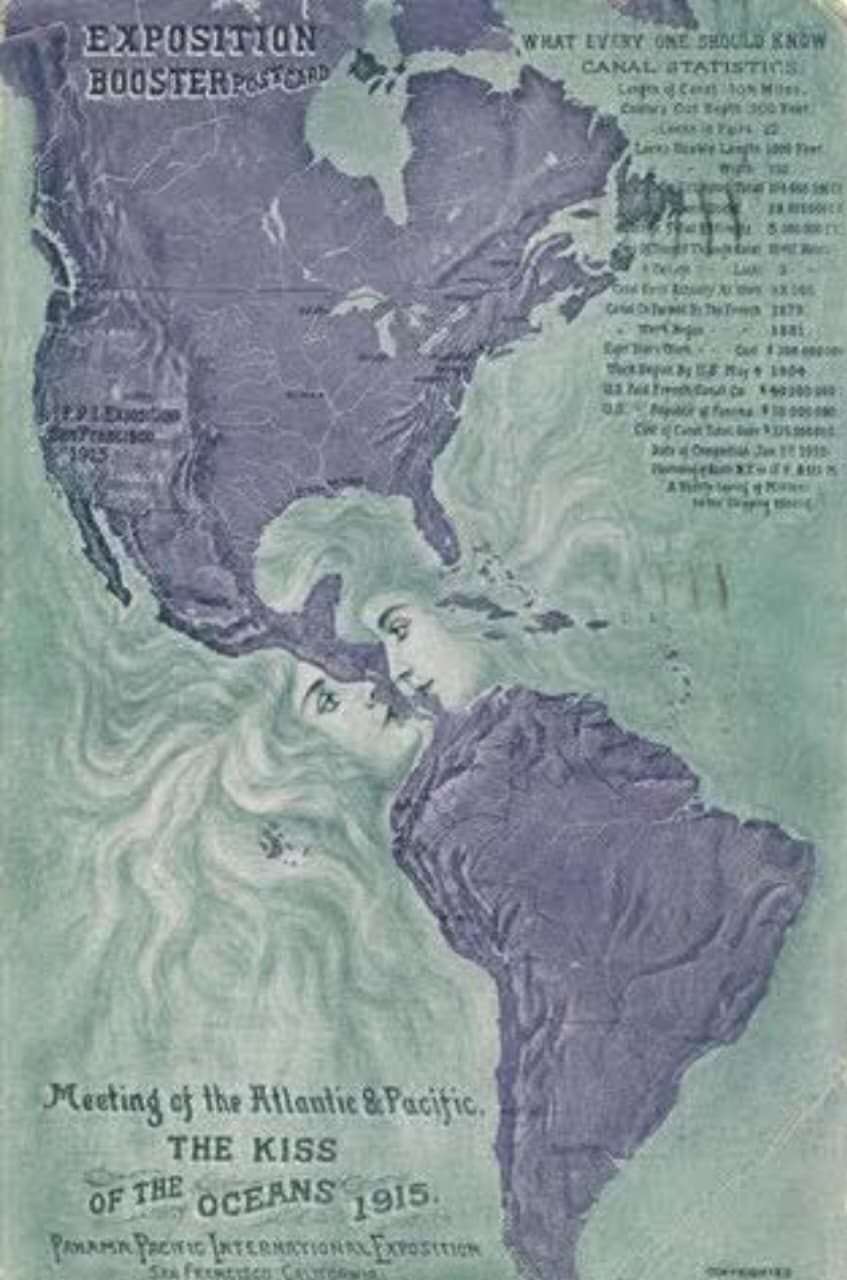
For geology faculty, Panama represents a singular teaching opportunity. The formation of the Isthmus of Panama was not a minor regional event—it fundamentally altered global climate systems, ocean circulation patterns, and the trajectory of life on two continents.
Students don't just learn about these processes. They stand on the geology that caused them.
Plate Tectonics and Volcanism: A Natural Laboratory for Field Geology
For over 50 million years, North and South America were separated by the Central American Seaway, a warm tropical ocean channel connecting the Atlantic and Pacific. Below the surface, the Pacific Plate converged with the Caribbean Plate, intensifying volcanic activity. Underwater volcanoes formed an island arc that grew, eroded, and rebuilt through cycles of volcanism and tectonic uplift.
When these volcanic islands rose high enough to connect around 2.8 million years ago, the seaway closed.
The consequences rippled across the planet.
What students observe in the field:
- Active and dormant volcanic structures — El Valle de Antón caldera provides textbook examples of volcanic collapse, geothermal activity, and post-eruption erosion
- Exposed stratigraphic sequences — Rock layers documenting millions of years of volcanic cycles
- Tectonic coastlines — Two ocean margins shaped by different plate interactions
- Geothermal features — Hot springs revealing ongoing heat transfer from depth
Climate Change and Ocean Circulation: Teaching the Pliocene–Pleistocene Transition in the Field
The closure of the Central American Seaway triggered a global "tipping point" that students can trace directly to Panama’s geology. This transition provides a perfect case study for Earth Systems Science:
Atlantic and Pacific waters separated
Before the isthmus rose, warm tropical waters flowed freely between the Atlantic and Pacific. When Panama closed this passage, the oceans began evolving separately.
The Pacific remained relatively fresh while the Atlantic became saltier and denser, a difference students can observe by comparing Panama's Caribbean and Pacific coastlines.
The Gulf Stream intensified
Denser waters sinking in the North Atlantic powered the global "conveyor belt" of ocean circulation, transporting warm water toward northern Europe and fundamentally altering Northern Hemisphere climates.
Students can analyze how this transport of heat to high latitudes, counterintuitively, provided the moisture necessary for massive snowfall, leading to the growth of Arctic ice sheets.
Ice Ages began
A stronger Gulf Stream meant more evaporation, more snowfall in high latitudes, and eventually ice sheet buildup. Research suggests Panama's formation contributed to pushing Earth into Pleistocene glaciation cycles.
For geology faculty, Panama is the "smoking gun" for understanding the modern climate system—and the environmental conditions in which early humans evolved, which would have been radically different without Panama's rise.
The Great American Biotic Interchange: Linking Geology, Climate, and Biodiversity
Perhaps Panama's most visible geological legacy lies in its impact on biodiversity. Before the isthmus formed, North and South America evolved in isolation for tens of millions of years. When Panama bridged the gap, animals and plants migrated in both directions in what biologists call the Great American Biotic Interchange—described by researchers as "a massive experiment in biological invasion."
North to South Travelers

The "Holarctic" invaders included horses, camels, mastodons, saber-toothed cats, bears, and deer. These groups rapidly diversified in the lush, untapped environments of South America
South to North Migrants
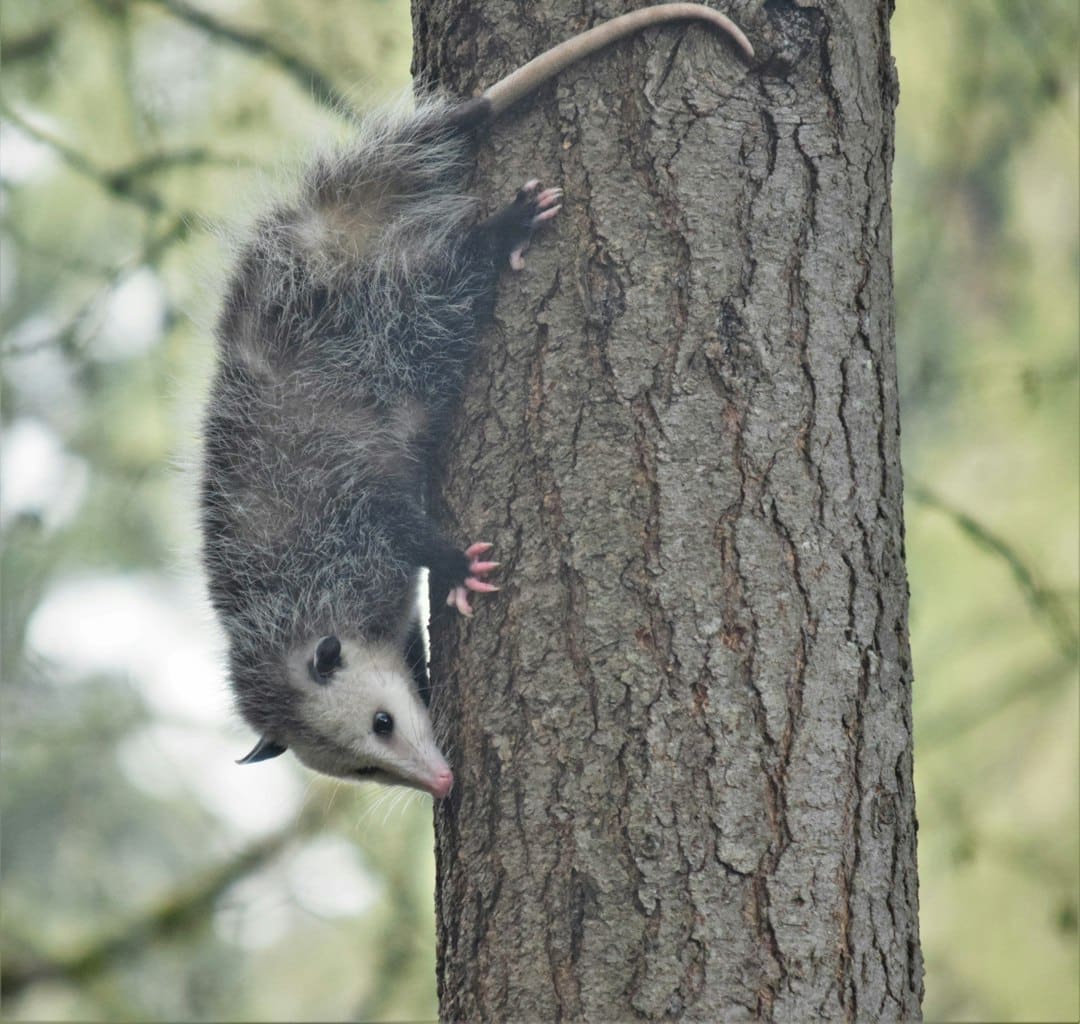
A unique suite of "Neotropical" fauna moved northward, including armadillos, giant ground sloths, glyptodonts, and the ancestors of the modern North American porcupine and Virginia opossum.
Program Formats
Format | Duration | Best For |
|---|---|---|
Maymester/J-Term | 10 - 14 days | Concentrated field course at key geological sites |
Summer Session | 3-4 weeks | Deeper investigation with student mapping or research projects |
Semester | 8-16 weeks | Deeper investigation with student mapping or research projects |
What stays consistent across program lengths:
- Exclusive use of our retreat center (your group only)
- All-inclusive lodging, dining, and meeting space
- Field site access and logistics coordination
- Safety protocols and backup plans for weather
- Transportation to all field locations
- Local expertise and guest speaker connections
The geological sites don't change—but the depth of student engagement scales with time.
Why Faculty Choose Istmo as Their Base
Geographic concentration:
Key geological field sites accessible within 1-3 hours from our San Carlos base. Students maximize time in the field, not on buses.
Safety and accessibility:
Level 1 U.S. State Department travel advisory
Direct flights from major U.S. cities (Miami 2.5 hours)
U.S. dollar currency—simple budgeting
Modern medical facilities within reach
40+ Years of Latin America Experience:
Sean Davis, M.Ed. — Designed and led 75+ educational programs in Panama. Former Environmental Education Coordinator, The Peregrine Fund. Peace Corps Chile volunteer.
Ayesha Davis, M.S. Environmental Engineering — 10+ years with World Bank and IDB designing infrastructure projects across Latin America. Peace Corps Paraguay volunteer.
All-inclusive infrastructure:
Unlike programs that coordinate multiple hotels and vendors across a region, Istmo provides:
Private bungalows — Air-conditioned accommodations
On-site dining — Chef-prepared meals (all dietary needs)
Meeting space — For lectures, discussions, and data analysis
Exclusive use — Your group has the entire property

Forum on Education Abroad Member
We adhere to the Standards of Good Practice for Education Abroad:
Comprehensive health and safety protocols
Emergency response plans and 24/7 support
Written code of ethics guiding all programming
We're not tour operators learning as we go. We're educators who understand what faculty-led field programs require.
Faculty FAQs: Designing a Geology or Environmental Science Study Abroad Program
Geology, Earth science, physical geography, Earth systems science, geomorphology, volcanology, structural geology, and interdisciplinary environmental studies with a geological focus. We've also supported engineering programs examining the Panama Canal.
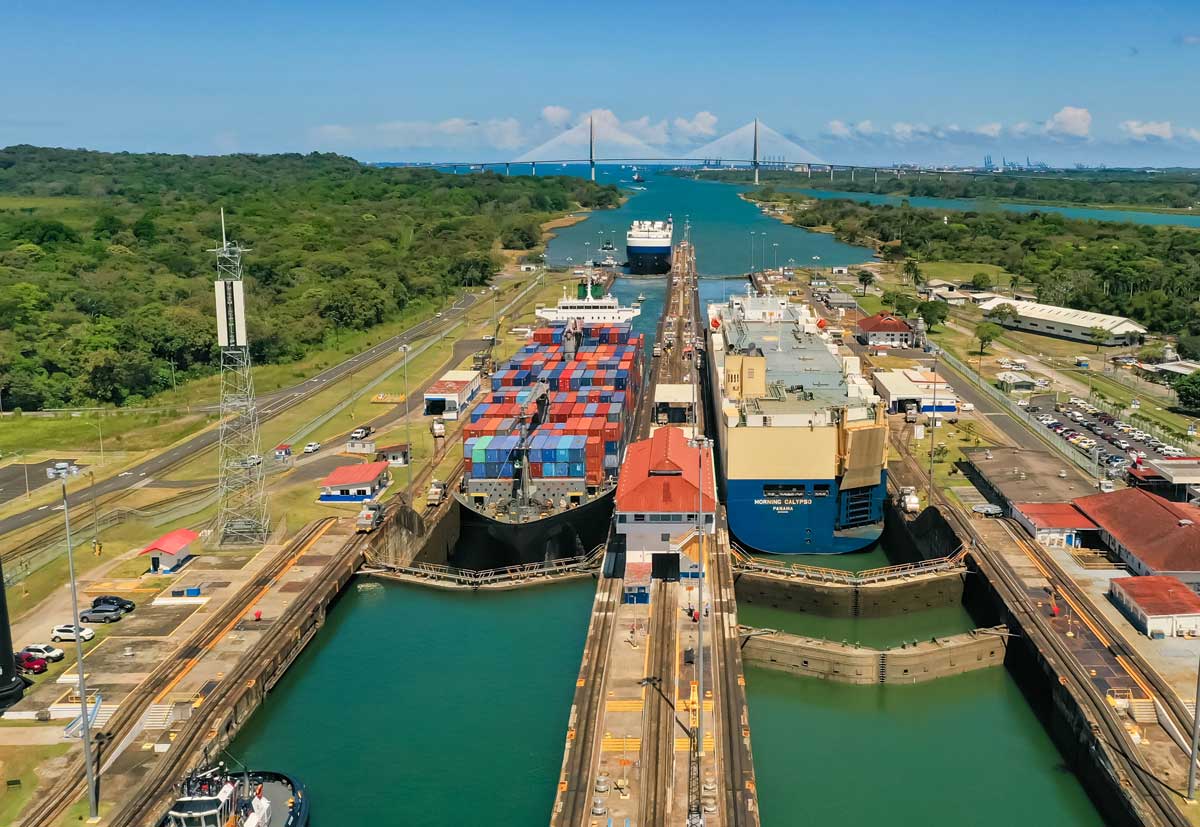
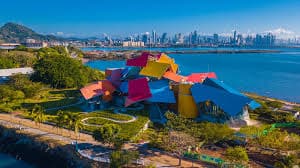
A 7-10 day program can include El Valle caldera, both Pacific and Caribbean coastlines, the Continental Divide, Panama Canal geological features, and the Biomuseo. Longer programs allow for more detailed investigation, student mapping projects, or independent research.
We build backup plans into every itinerary. Our contained campus provides meeting spaces for indoor instruction, data processing, and guest lectures when field conditions aren't safe. Ten years of navigating tropical weather means flexibility is built into our approach.
Yes. Brunton compasses, hand lenses, rock hammers, GPS units—bring what your students need. We can also coordinate local equipment if you prefer not to travel with gear.
We don't design or teach your curriculum—you do. We provide field site access, logistics, local expertise, and guest speakers from Panama's geological and scientific community. Your geological interpretation, your teaching approach.
Yes. Some faculty combine geological field work with Spanish language immersion, service learning, or broader environmental science content. We design programs around your learning objectives.