
Hosting a retreat is one of the most rewarding things you can do as a teacher or instructor—but it also takes heart, vision, and a lot of decision-making. At the center of it all? Choosing the right yoga retreat center—a place that supports your goals, reflects your values, and helps create a meaningful, nourishing experience for your group.
It’s not just about finding a beautiful spot (though that helps!). It’s about finding a space that flows—from the vibe and the practice space to the food, staff, and accommodations. Whether you’re just starting out or planning your next sold-out retreat, here are some of the most important things to consider as you search for your perfect-fit venue.
Based on years of hosting retreats (and learning from incredible leaders like you), here’s what to look for—and how we approach each retreat at Istmo.
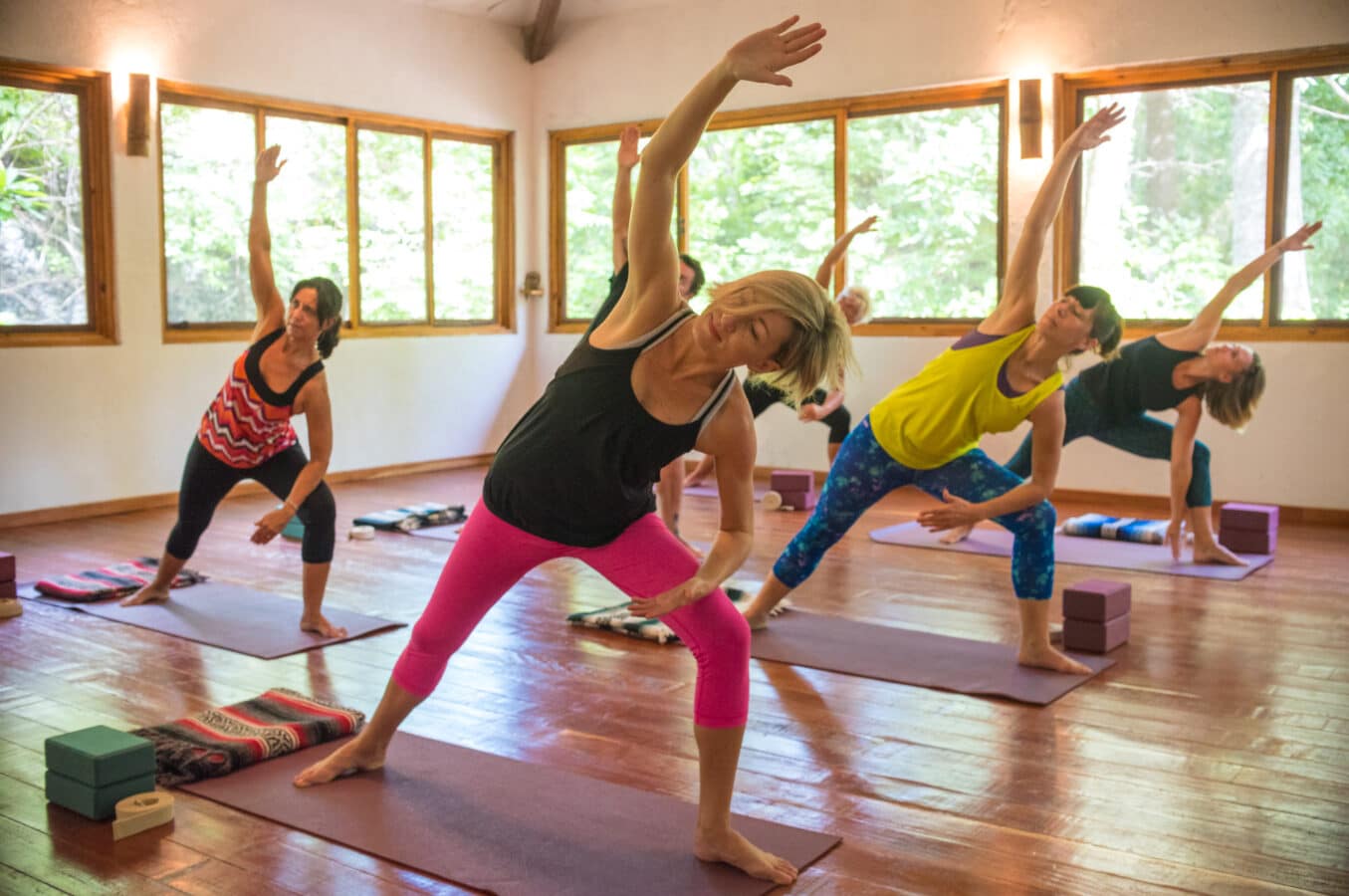
1. Location, Access & Energy
Where you host your retreat can shape the entire energy of the experience. Some teachers want remote and wild. Others want accessible and near the beach. Think about what complements your teaching style and your group’s needs.
Ask yourself:
Do I want to be near the ocean, the jungle, the mountains—or a vibrant city?

Is it easy for guests to arrive? How close is the airport, and what’s nearby to explore?

Does this place feel aligned with the energy and intention of my retreat?

At Istmo, we’re tucked into the jungle but just a 5-minute walk to the beach, and only 1.5 hours from Panama City. Simple to reach, easy to love.
2. A Dedicated Practice Space that Supports the Work
Every yoga retreat center should offer a clean, private, well-equipped practice space—one that feels grounding, inspiring, and a little sacred.
Look for:
A private indoor or outdoor studio space.
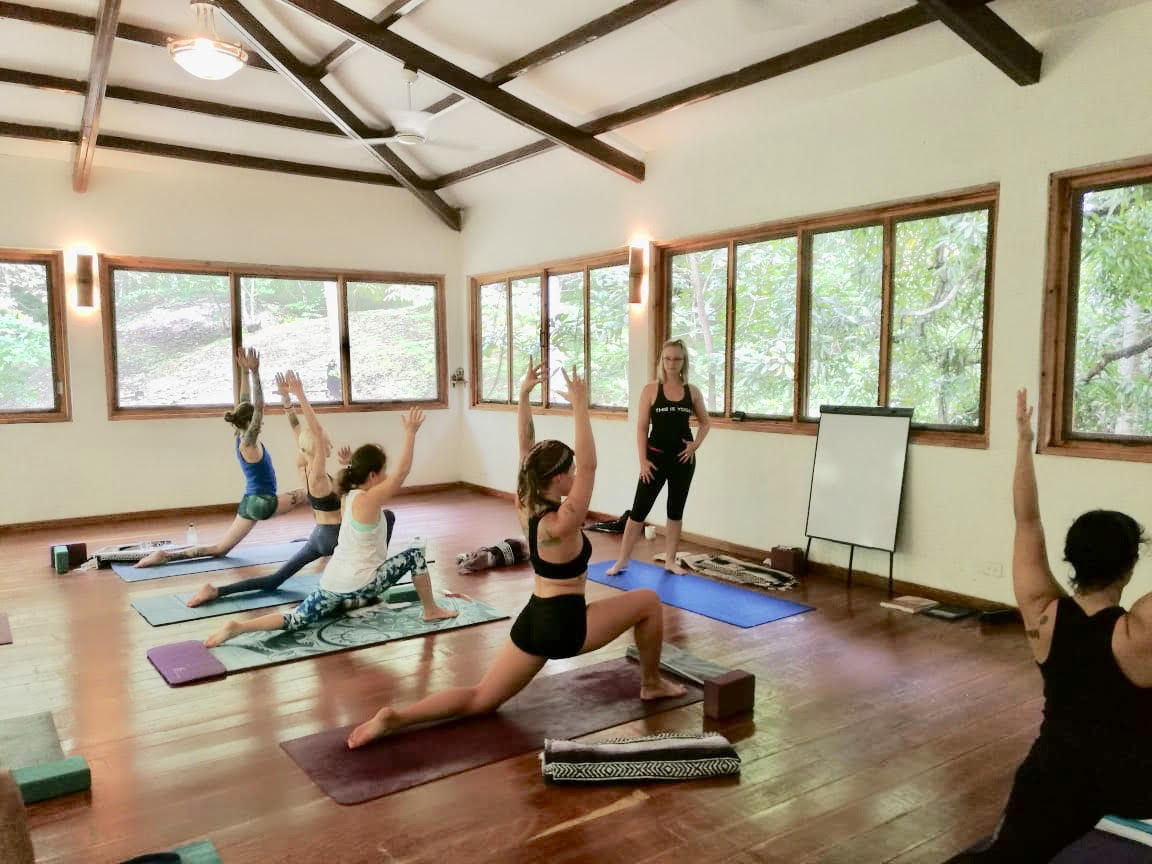
Quality equipment (and enough for everyone!)

Natural surroundings or calming ambiance.
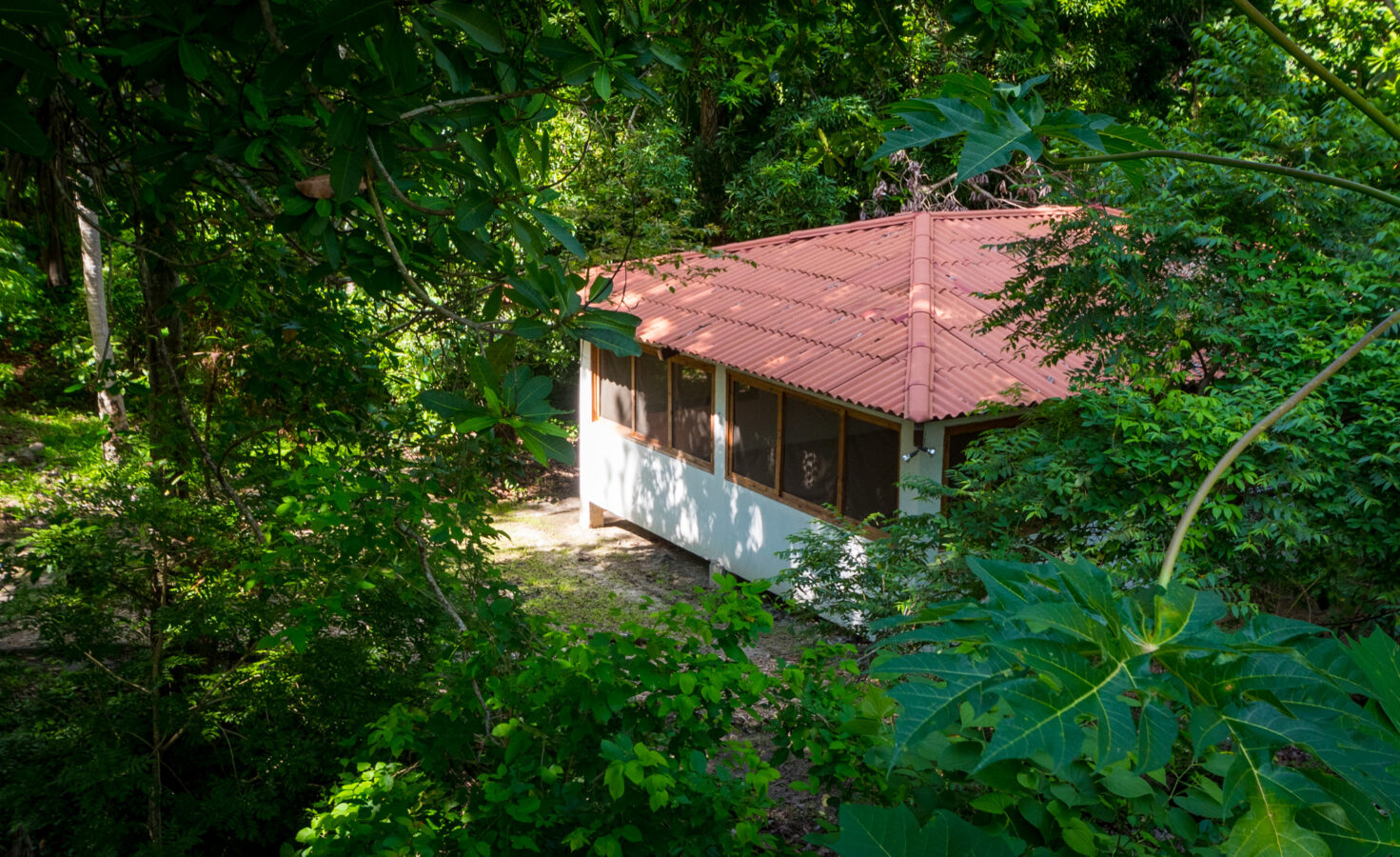
If you're offering yoga teacher trainings or deeper healing work, check if the space can be used exclusively during your retreat hours.
3. Lodging and Sleeping Options
People need sleep to feel transformed. So check how accommodations are set up:
Are there shared and private room options for different guest needs?
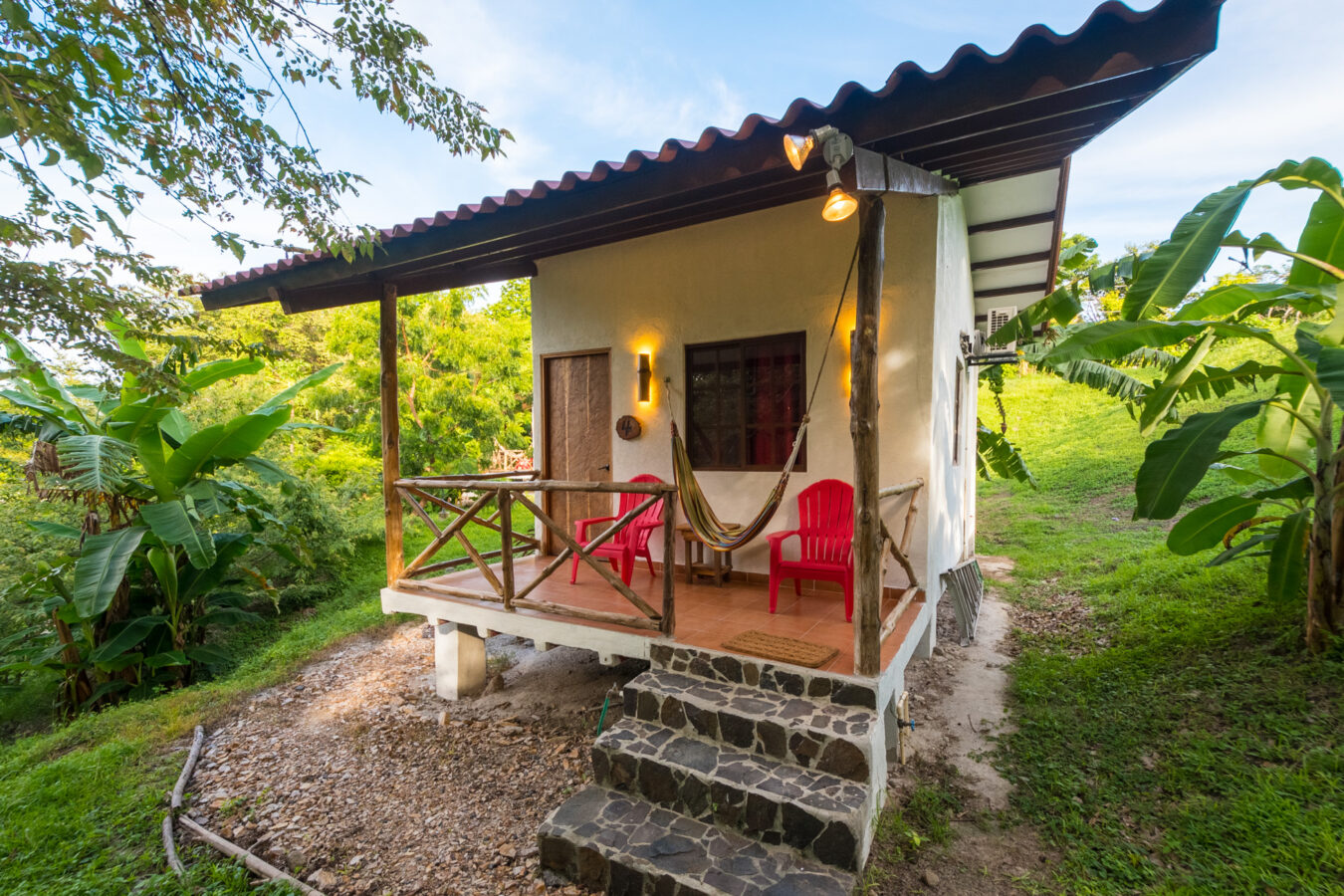
Do the rooms feel clean, peaceful, and connected to nature?

What’s the max group size the yoga retreat center can host?
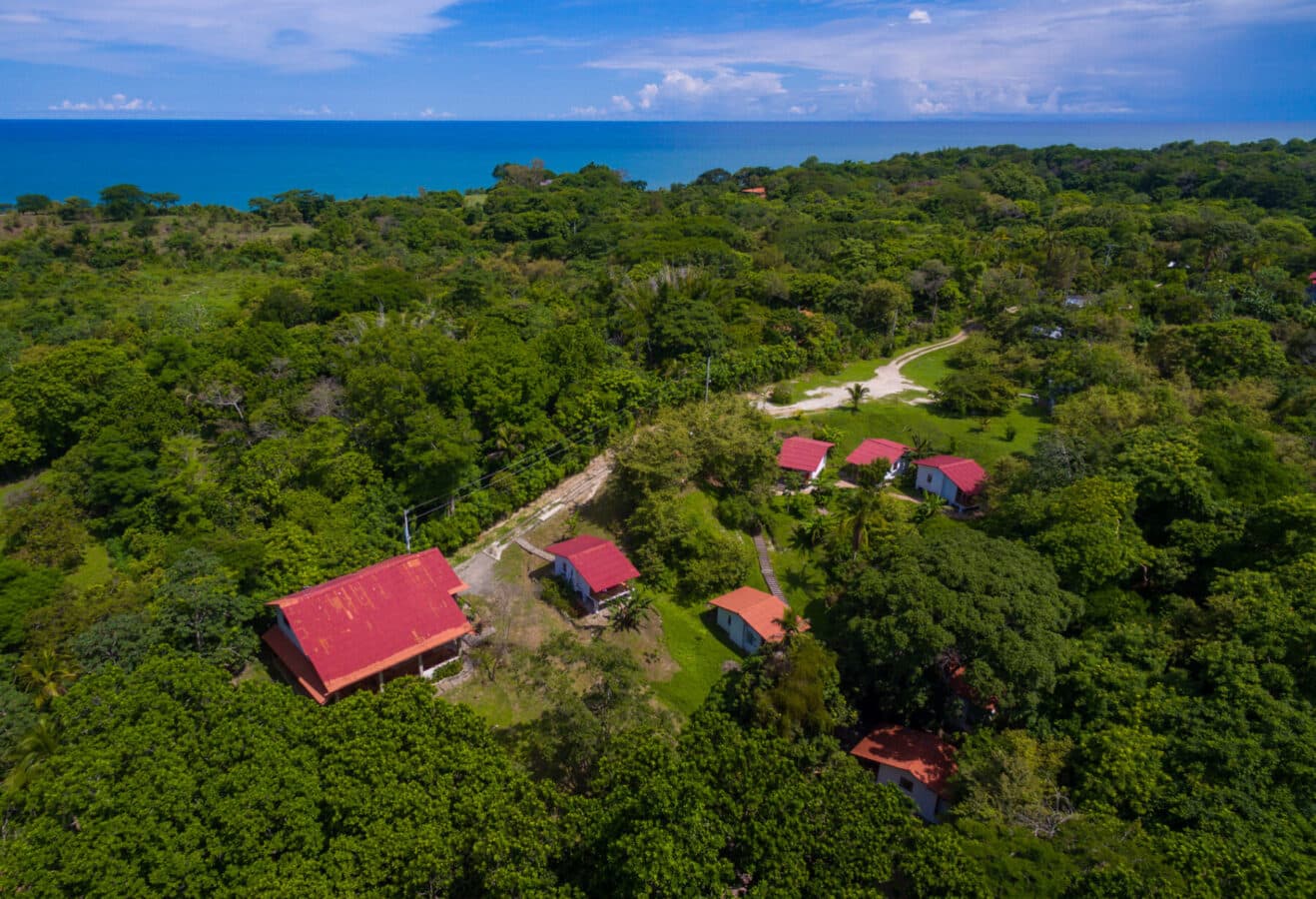
Ask how the room configurations work for solo travelers, couples, and roommates, and what other featured the accommodations offer for guests.
4. Nourishing Meals That Support the Journey
Food plays a huge role in the retreat experience. You’ll want a yoga retreat center that prioritizes fresh, wholesome meals that fuel, comfort, and delight your group.
Think about:
Are meals included as part of the retreat experience?
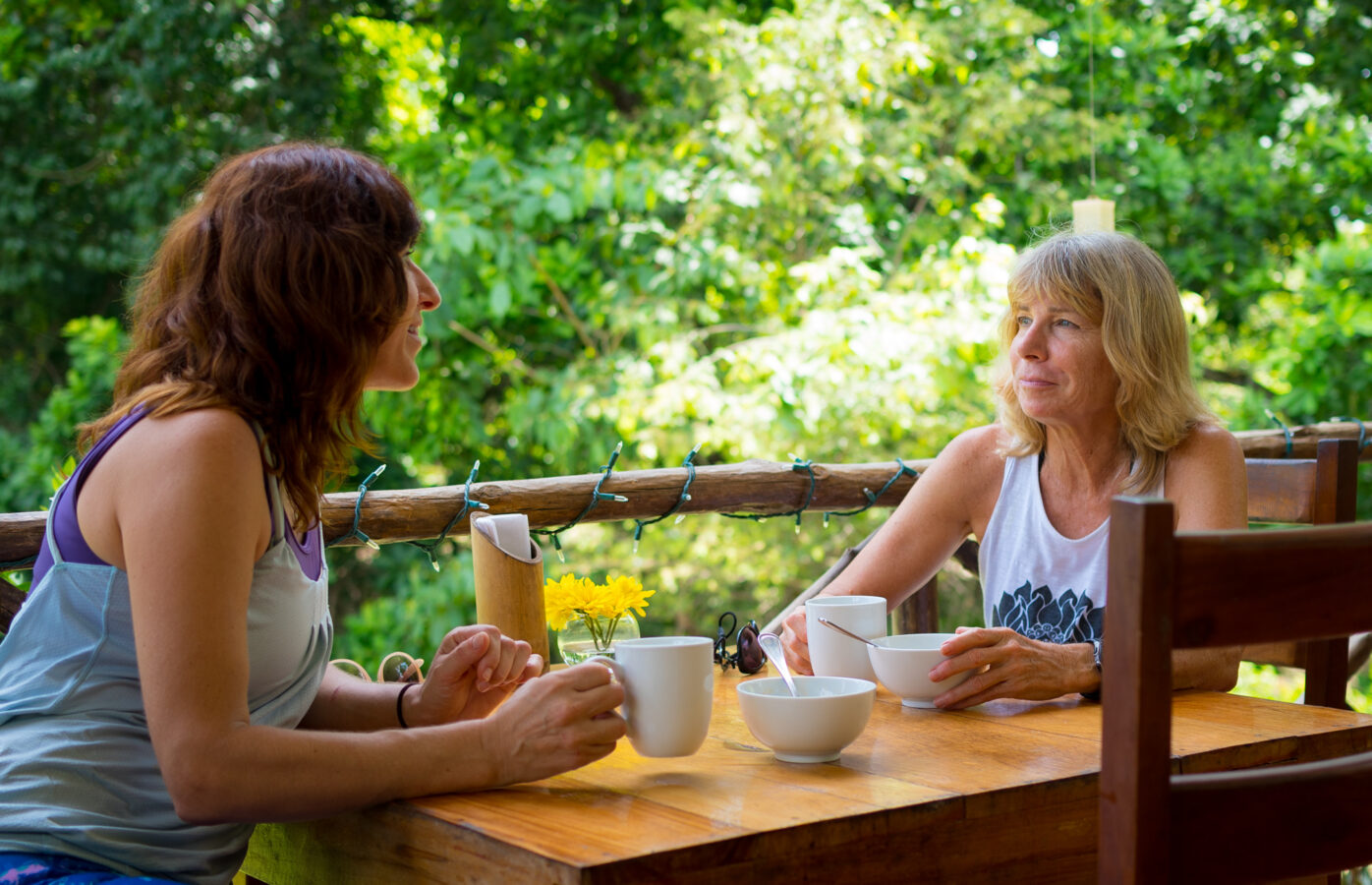
Can the kitchen support special diets like vegan or gluten-free?

Are ingredients fresh, local, and prepared with care?

Balanced meals help ground your group, especially after deep emotional or physical work.
5. Free Time, Excursions & Balance
A great retreat balances activity with space to rest, explore, or just be. Your guests will appreciate the chance to wander, reflect, and connect with the surroundings.
Things to consider:
Are there optional excursions or nature-based activities nearby?

Does the yoga retreat center help organize outings and experiences?

Is the schedule flexible for beach time and relaxation ?

You don’t need a packed agenda—just a rhythm that matches your group’s energy. Curious what a successful retreat schedule looks like? Here’s how to build a 6-day yoga retreat that sells out.
6. Host Support from the Yoga Retreat Center
Running a retreat is a big job. Choose a yoga retreat center that treats you as a partner, not just a renter.
Look for:
- Clear, prompt communication before and during the retreat
- Transparent contracts and pricing
- A team that helps with logistics, transfers, and guest needs
- Flexibility and solutions if something shifts
You should feel supported—not like you’re doing everything alone.
7. Read Reviews, Ask Questions, Trust Your Gut
Other retreat leaders are your best resource. Look at testimonials. Reach out and ask about their experience. What felt supportive? What would they do differently next time?
And ultimately—trust your gut. Can you picture your group here, breathing together in practice, laughing over shared meals, resting deeply under the trees?
If yes... you’re probably in the right place.